

10 PM. You're still at the office (or Slack is still pinging).
Dev Lead: "This requirement is impossible. What does 'user experience should be smooth' even mean? What's the latency target?"
QA Lead: "Where are the acceptance criteria? How am I supposed to write test cases for 'it should just work'?"
You take a deep breath. "Let's schedule another alignment meeting tomorrow..."
That's the third "alignment meeting" this week.

Does this sound familiar? You wrote the requirements. You thought they were clear. But Dev says "it's vague," QA says "it's untestable," and the stakeholders just changed their minds again.
If you've ever felt this pain, keep reading. We built something for you.
The 5 Levels of Requirements Hell 🔥
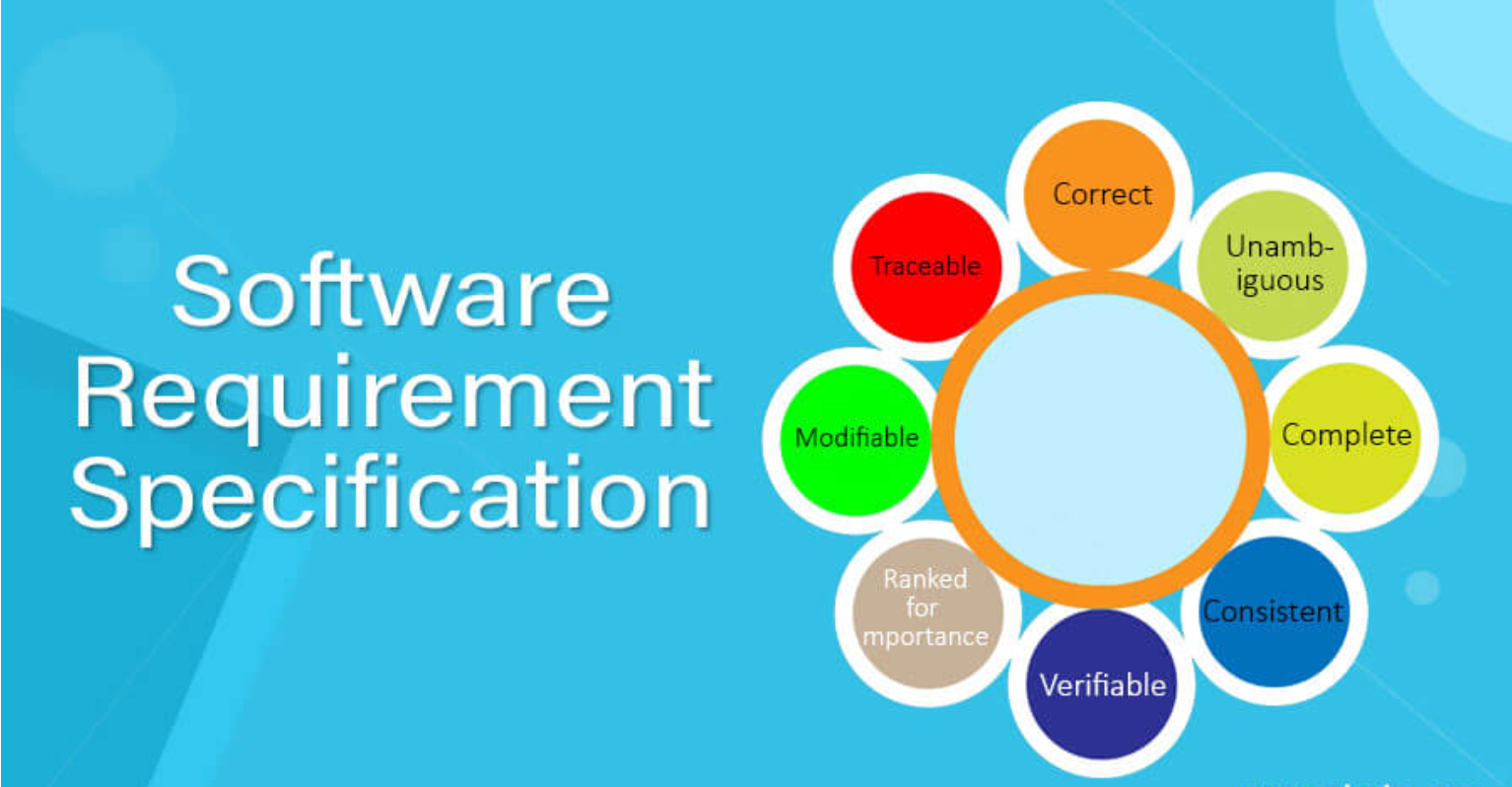
Writing Software Requirements Specifications (SRS) is often the most hated part of product development. Not because it's hard, but because it feels like a lose-lose game.
Level 1: "The Vague One-Liner"
"The system should be fast." "Users should easily manage orders." What is "fast"? <200ms or <2s? What is "easy"? Bulk actions? Drag and drop? This isn't a requirement; it's a wish. Developers can't code wishes.
Level 2: The Meeting That Could Have Been an Email
You gather everyone to explain the requirements. 3 hours later, the Backend Lead is arguing with the Frontend Lead about API schemas, and no one remembers what the user actually needs.
Level 3: The "Scope Creep" Nightmare
You're halfway through the sprint. The stakeholder says, "Actually, let's make it a social app instead of e-commerce." Without impact analysis, you say "Okay." Two weeks of code goes into the trash. Morale tanks.
Level 4: The Broken Link
A requirement changes. Does it break the login flow? Does it invalidate Test Case #42? No one knows because the traceability matrix is just a stale Excel sheet on someone's desktop.
Level 5: The Blame Game
When the product ships with bugs or missing features, who gets blamed? The PM/PO who "didn't spec it out clearly."
You want to do better. But you don't have 3 days to write a 50-page spec. You have deadlines.
Why Traditional Tools Fail Us
- Enterprise Tools (IBM DOORS, Jama): Great for building airplanes, terrible for agile software. Expensive ($$$), complex, and overkill.
- Jira/ClickUp: These are task managers, not requirements managers. They track "who is doing what," not "what are we building and why."
- ChatGPT: You ask it to write requirements, and it gives you a generic, hallucinations-filled wall of text. It doesn't understand your project context or traceability.
Enter SRS Writer: The AI-Powered Solution 🤖
We built SRS Writer, a free VS Code extension designed specifically to solve this problem.
What Can It Do?
1. Turn Vague Ideas into Structured User Stories You type: "Users should manage orders." AI outputs:
## User Story: US-001
As a logged-in user, I want to view my order history so that I can track past purchases.

### Acceptance Criteria
- [ ] List is sorted by date (newest first).
- [ ] Each item shows: Order ID, Date, Status, Total Amount.
- [ ] Status chips are color-coded (Paid=Green, Pending=Orange).
- [ ] Pagination: 20 items per page.
See the difference? This is code-ready.
2. Automated Quality Audit Before you show it to devs, the AI audits your requirement on 7 dimensions: Clarity, Completeness, Consistency, Testability, Traceability, Priority, and Risk. It tells you: "Hey, you missed the error state for failed network requests." It's like having a Senior BA reviewing your work instantly.
3. Automatic Traceability & Change Impact You change one User Story. The AI instantly flags: "This change impacts Functional Requirement FR-12 and Test Case TC-05." No more guessing what breaks.
How It Works: The 17-Agent Swarm
We didn't just wrap ChatGPT. We built a Multi-Agent System. Imagine a room with 17 experts:
- The Story Writer: Focuses only on INVEST principles.
- The QA Lead: Focuses only on testability.
- The Security Expert: specific focus on OWASP risks.
- The Traceability Manager: Links everything together.
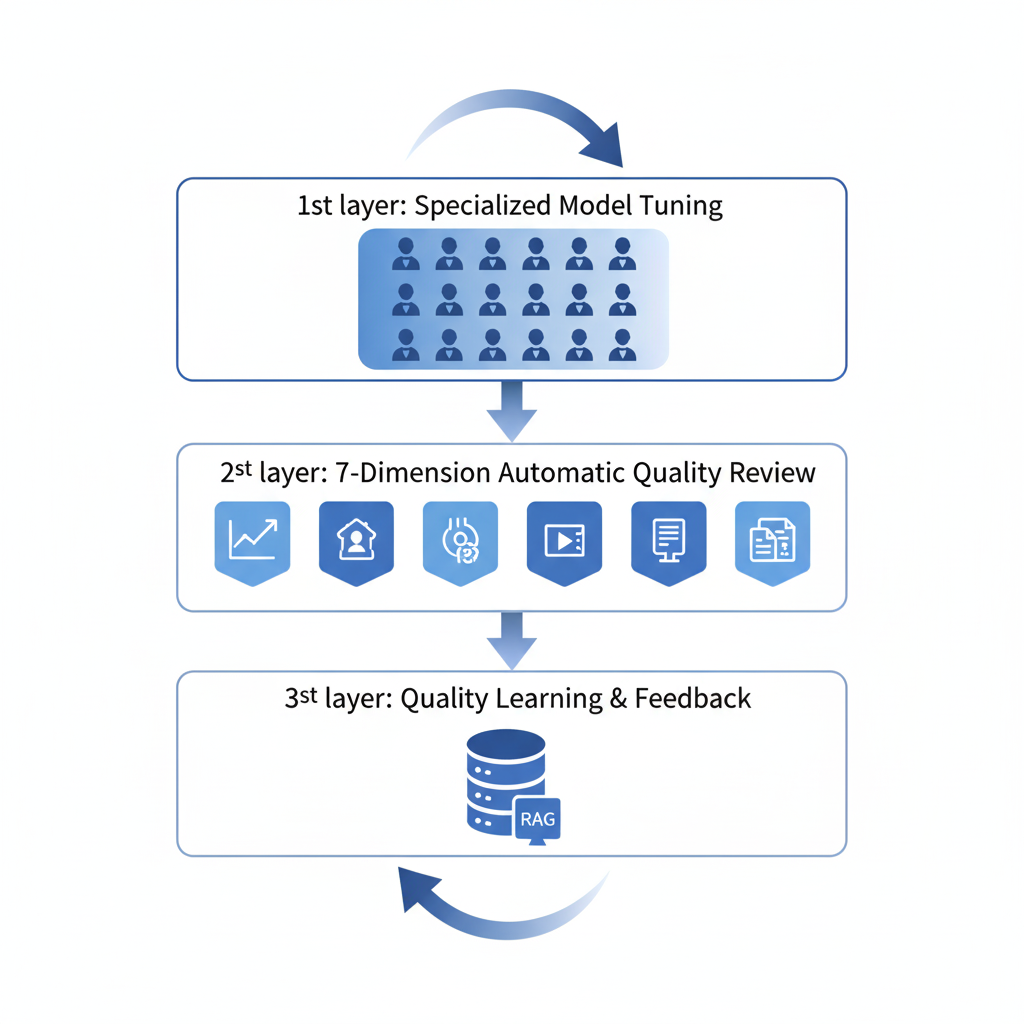
They work together in the background to refine your rough notes into a professional spec.
Real Talk: Is It Any Good?
I used it for a "Membership Level System" module.
- Old Way: 2 days of writing, 3 meetings.
- With SRS Writer: 2 hours.
- Quality: The AI caught edge cases I missed (e.g., "What happens if a user downgrades while a subscription is active?").
Is it perfect? No. It's v0.8. Sometimes it gets context wrong. You still need to be the Pilot. But it's an incredibly powerful Co-Pilot.
Who Is This For?
- Product Managers / Owners who are tired of writing repetitive docs.
- Business Analysts who want to focus on strategy, not formatting.
- Tech Leads who end up writing requirements because no one else did.
Get It Free
Stop suffering in "Requirements Hell."
SRS Writer is Free and Open Source.
👉 VS Code Marketplace - SRS Writer
Install it. Type a raw idea. Watch the agents go to work. 🚀